Kovaru is a quiet rural city on  Bethany—best known (so far) as the place
  Rio Narro chooses to disappear into after their service, once the
 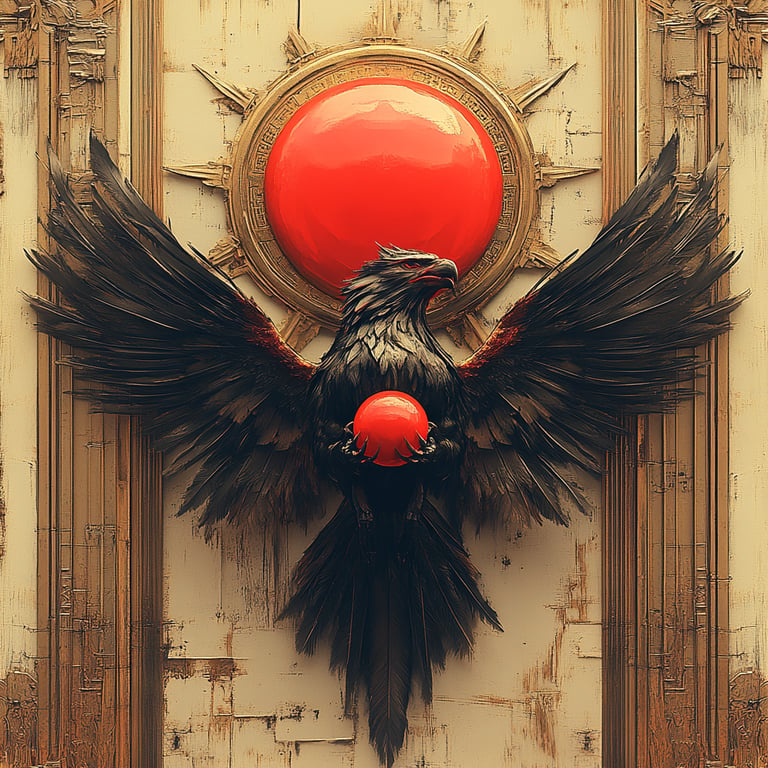 Sun Jin Empire’s liberation of the region is complete.
Overview
Kovaru is not a strategic capital, a battlefield, or a mythic site. It matters because it is ordinary—a place that can hold someone who is trying to live like the war is over.
Built around moderate, cabin-style living and a mostly rural footprint, Kovaru reads as a “small city” from ground level: functional roads and neighborhoods, pockets of local commerce, and a pace that feels intentionally slower than the worlds Rio has moved through. The architecture trends toward practical wood-and-stone construction and comfortable, lived-in density rather than vertical sprawl.
Even so, Kovaru is not isolated. From the right ridgelines and open stretches, residents can see the skyline of a larger nearby city—a reminder that Kovaru sits in the shadow of bigger engines, without having to become one.
Rio Narro’s Retirement
After completing service during the Sun Jin Empire’s liberation campaign in the region (year unspecified), Rio retires to Kovaru. The choice frames Kovaru as a personal endpoint: not exile, not hiding in a wasteland, but a deliberate retreat into a place quiet enough to let the nervous system unclench.
Rio’s home is located near the coast, within reach of a beach—an everyday horizon of water and weather that contrasts with the enclosed, institutional environments that define so much of Rio’s earlier life.
Tone and narrative function
Kovaru’s primary function is emotional.
It provides a "soft" setting—rural, coastal, and visually open—where the story can signal recovery, decompression, and the fragile attempt at normalcy. The visible distant skyline lets the location carry a second note at the same time: the world keeps moving, power still exists, and peace can still feel conditional.
 Made with Bullet